.svg)
How real-time profitability tracking prevents budget overruns

.png)
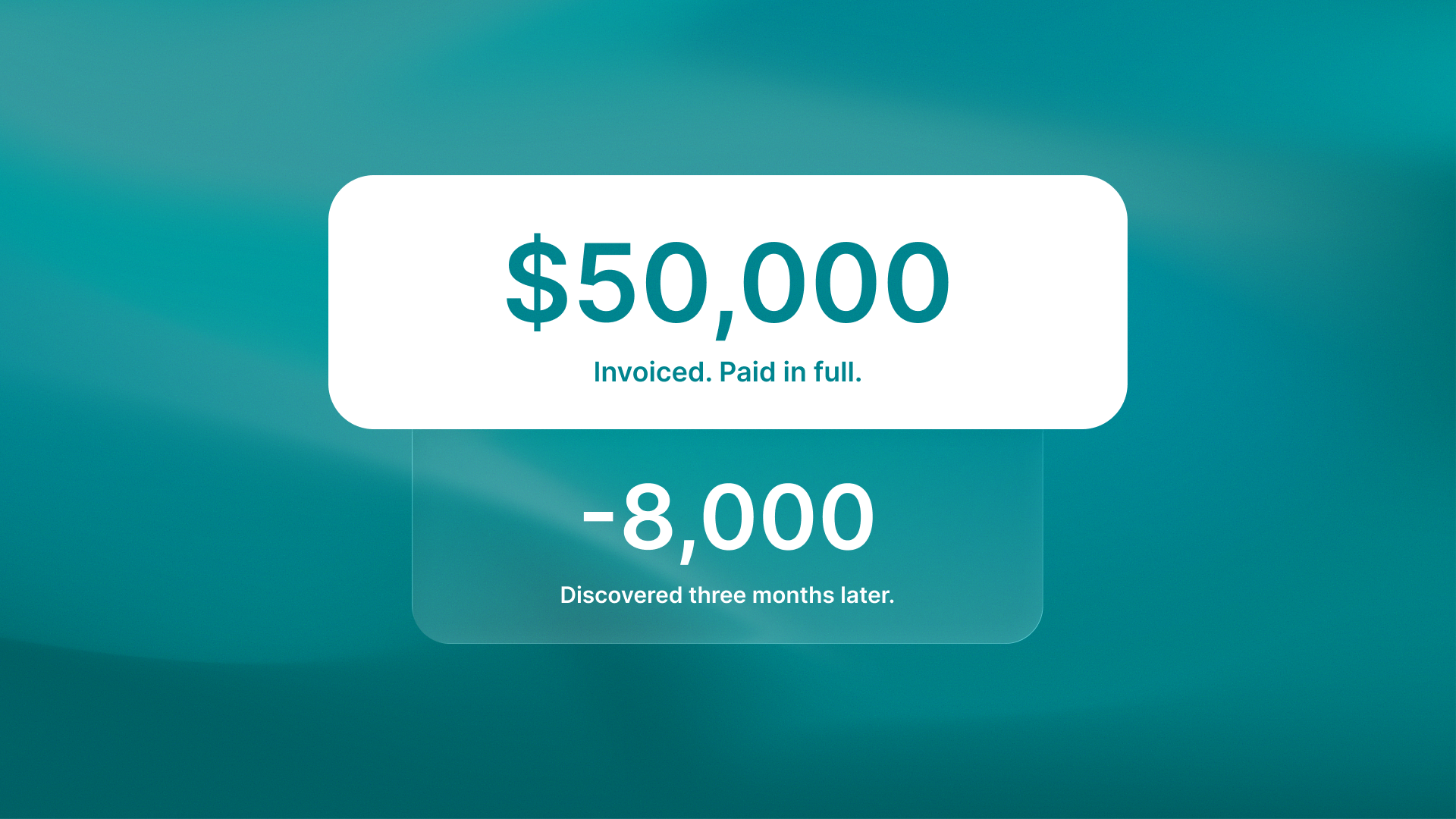
Your team worked 847 billable hours last month. Your invoices totaled $84,700. Your actual profit was -$3,200. You found out six weeks later when accounting closed the books.
That's not a planning problem. That's a visibility problem.
Traditional time tracking shows hours worked but not whether those hours made money. By the time you learn a project lost money, the team has moved on to the next job. The client relationship is already strained by budget talks. The margin damage is done.
Most projects bleed margin because agencies discover overruns during execution but lack the data to act
27% of projects exceed their initial budgets, and less than 50% of projects are consistently completed within budget. The problem isn't bad estimation. It's that agencies manage projects in real-time but only see profitability in retrospect.
Traditional time tracking counts hours. It doesn't distinguish billable from non-billable time. It doesn't flag scope expansion. It doesn't surface the moment a project crosses from profitable to underwater.
You're flying blind until accounting closes the books. By then, you've already burned the hours and lost the margin.
Real-time profitability metrics let you course-correct during execution, not after invoicing reveals the damage
The difference between profitable agencies and struggling ones isn't better planning. It's ongoing visibility. Organizations using a defined project management methodology are 28% less likely to face budget overruns because methodology includes continuous monitoring and adjustment.
Here's what real-time project profitability tracking surfaces when you can still act:
- Budget vs. actual hours: You see the gap widening in week two, not month three
- Billable vs. non-billable time: You catch administrative bloat before it consumes 30% of capacity
- Scope creep detection: Client requests outside the original agreement trigger immediate alerts
- Margin erosion trends: You spot the pattern before the project goes underwater
- Team efficiency metrics: You identify which team members deliver fastest on which project types
Platforms like Timecapsule give agencies live dashboards showing profitability during execution. When a project hits 80% of budgeted hours with only 60% of deliverables complete, you know immediately. You can reduce scope, reallocate resources, or renegotiate timelines before the damage compounds.
Post-project analysis tells you which projects lost money. Real-time tracking prevents the loss in the first place.
Non-billable time and scope creep are invisible profit killers without live tracking
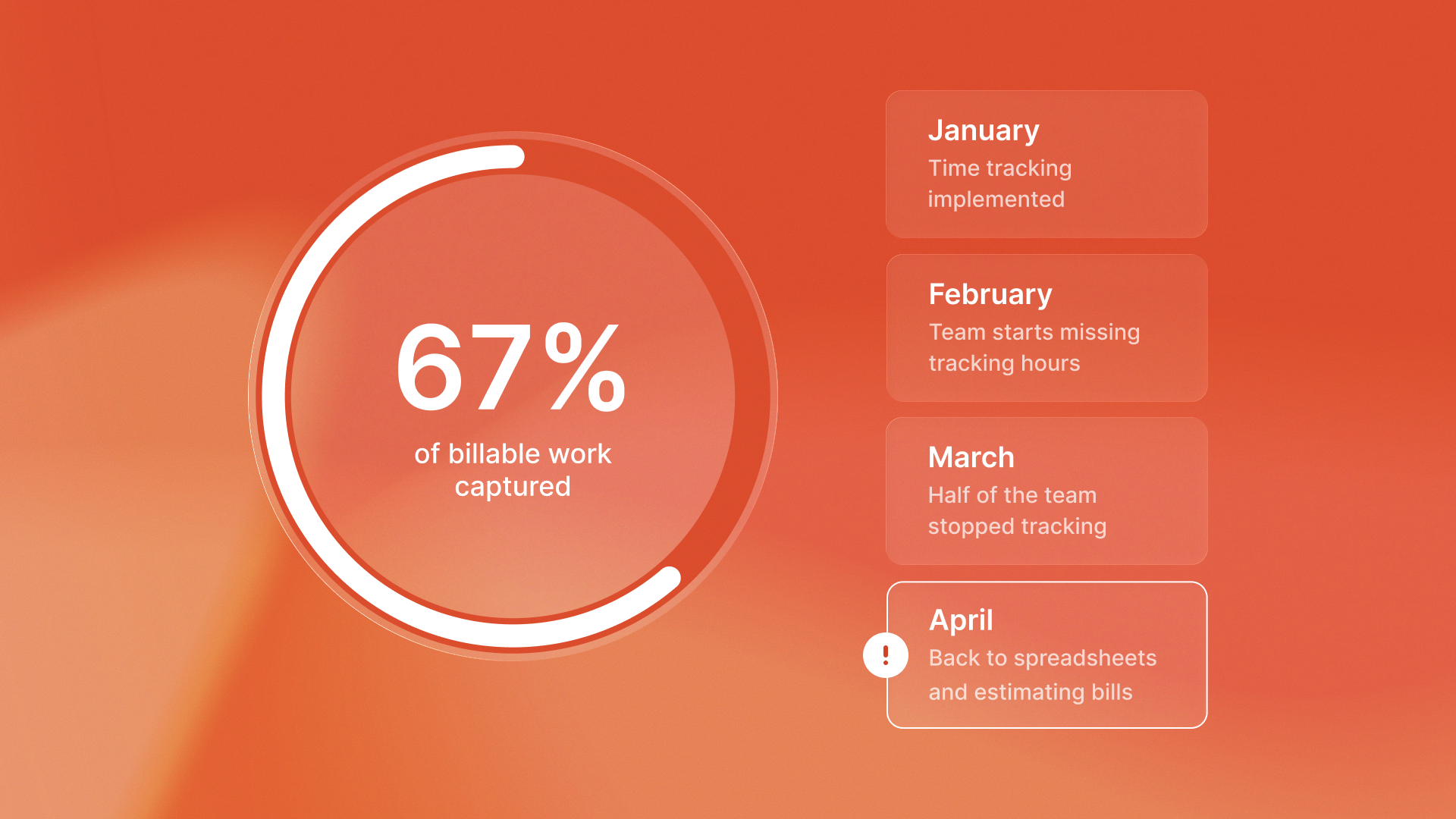
Agencies lose 20-30% of capacity to administrative work and client requests outside original scope. Traditional time trackers count those hours but don't flag them as margin killers.
The math breaks down like this:
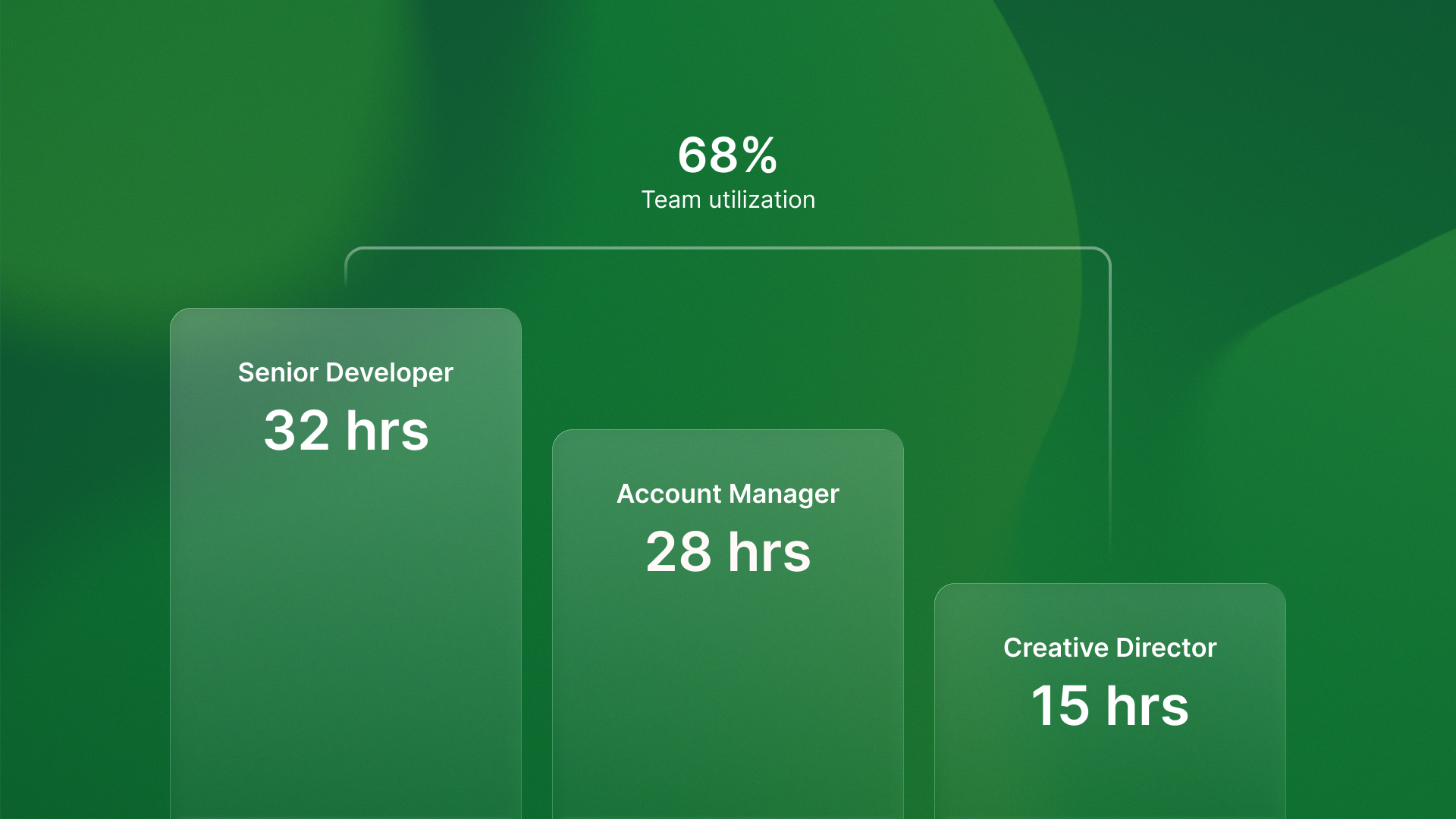
- Your team logs eight hours
- Four were billable client work
- Two were internal meetings
- Two were responding to client questions outside the statement of work
Your time tracker shows eight productive hours. Your profit margin shows four billable hours minus overhead for eight hours worked.
The math doesn't work. But you won't know until billing reconciliation reveals the gap.
.png)
Service companies like Islands track billable ratios across multiple client projects in real-time. When non-billable hours start trending above 20% on a specific engagement, they intervene immediately. Scope clarification with the client. Resource reallocation. Process optimization.
Traditional time tracking tells you the problem existed. Modern profitability tracking tells you the problem is happening now, while you can still fix it.
Post-project financial analysis is autopsy, not prevention
Retrospective reports tell you which projects lost money. They can't recover those losses. By the time accounting closes the books, the team has moved on to the next project. The client relationship is already strained by budget talks.
You're performing financial autopsy on margin damage that's already done. The hours are burned. The cash is gone. The client is frustrated. All you have is a report explaining what went wrong.
Real-time visibility shifts the conversation from autopsy to prevention. You see problems during execution when you can still fix them.
Development teams at companies like QAflow and ReachSocial use live profitability dashboards. These dashboards track feature development hours against project budgets. When a feature starts trending 15% over estimate at the 40% completion mark, they have options. Scope adjustment. Technical approach pivots. Resource additions.
When you see the overrun after completion, you have regret.
The transformation statement
Time tracking is a feature. Project profitability intelligence is a competitive advantage.
Agencies that see profitability in real-time stop bleeding cash on bad projects before completion. They course-correct during execution instead of discovering damage during invoicing. They protect margins by preventing overruns, not by analyzing them retrospectively.
The difference isn't planning. It's visibility. And visibility during execution is what separates profitable agencies from struggling ones.