.svg)
Planning for 2026: The Economic Value of Digital Time Capsule Services

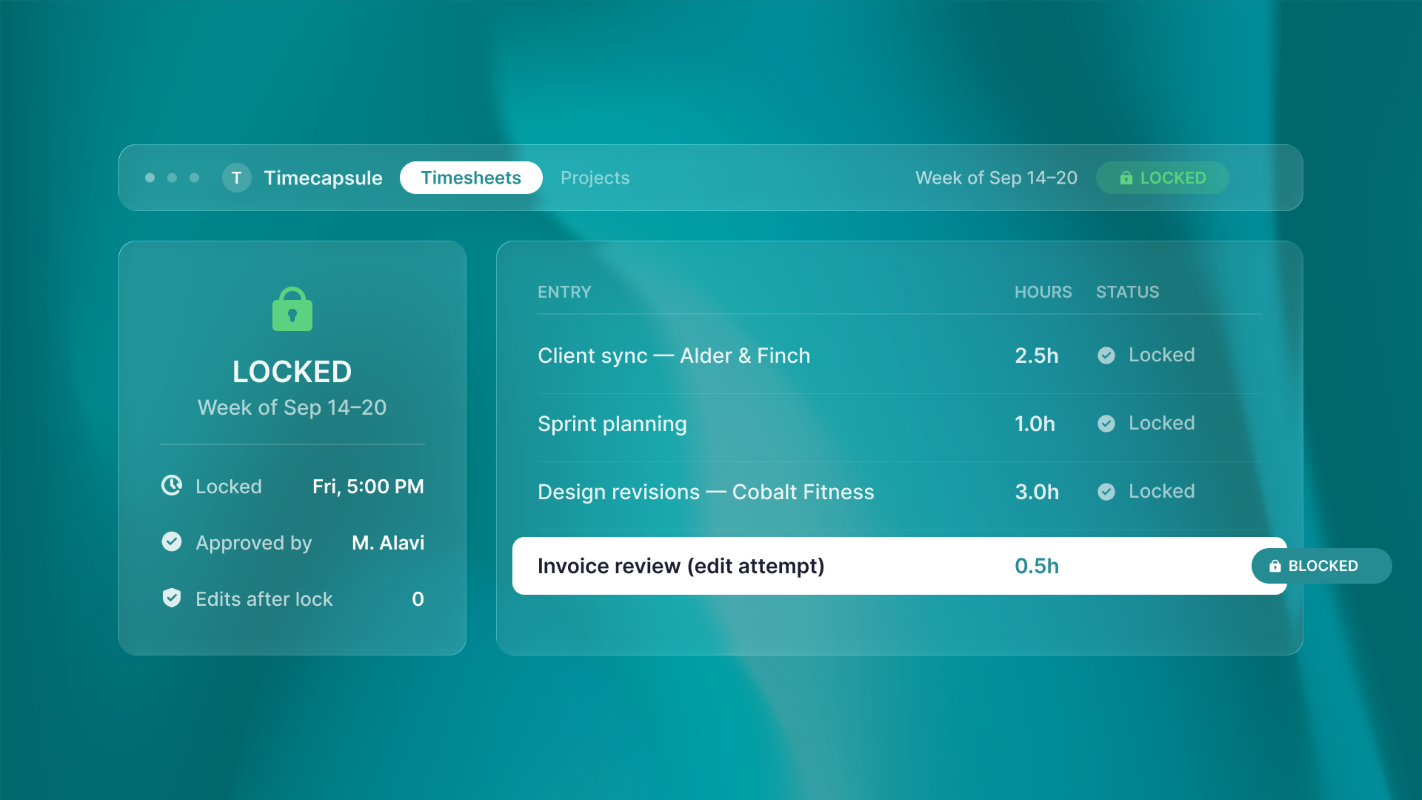
You recently archived a $250,000 engagement folder and moved on to the next lead. Six months later, you are bidding on a similar contract and guessing at the resource allocation because you cannot access the specific metadata of that previous win. Your 2025 project data is a $2.6 trillion asset you are likely leaving on the table. Professional digital time capsule services ensure this data remains accessible for years.
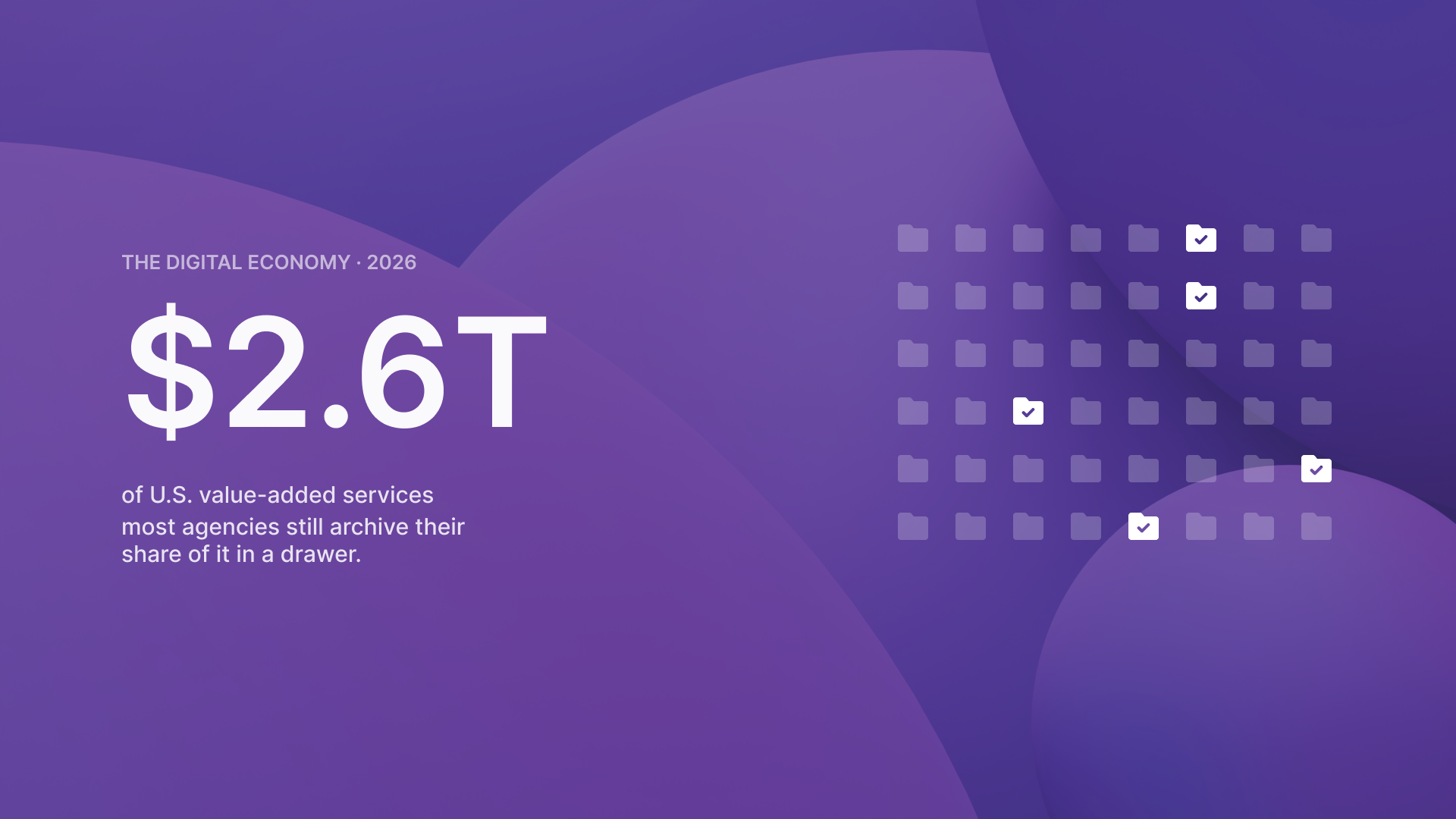
Recent economic data makes the reality clear. Most freelancers and agency operators treat past contracts as digital clutter, looking at the rearview mirror only when a tax audit looms or a client disputes an old invoice. This is a mistake in capital allocation. The digital economy now accounts for 10% of U.S. GDP (U.S. Bureau of Economic Analysis), representing over $2.6 trillion in value-added services. If you do not treat your historical project data as a financial asset, you are ignoring the capital that drives your business value. This oversight is frequently rooted in a temporal signature that keeps operators psychologically tethered to past workflows, preventing them from leveraging that data for future planning.
The economic impact of digital time capsule services
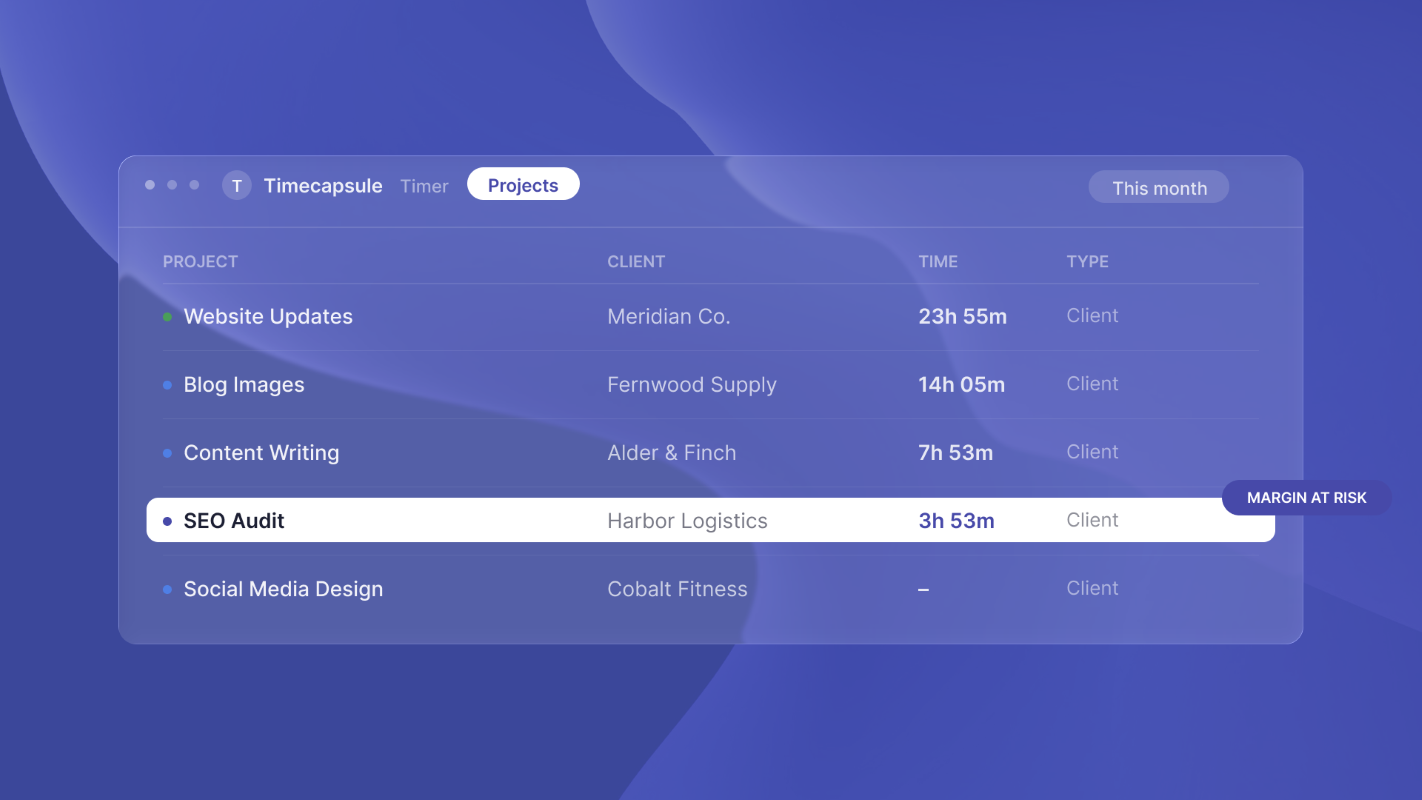
High-volume freelancers often struggle with margin erosion because they lack a baseline. When you treat historical data as capital, you stop guessing at your fully-loaded labor rates and begin to see which clients consume overhead versus those contributing to genuine growth. This shift aligns with a larger trend where digital transformation ROI is projected to reach $3.9 trillion (Market.us). However, capturing this value requires precise tracking;currently, the majority of organizations fail to measure AI agent ROI because they lack the historical performance metrics necessary to judge new automated efficiencies.
Digital services power $350 billion in U.S. economic output (PR Newswire). For a specialized consultant, this means your past work is the intelligence layer for your future pricing. By using digital time capsule services, you preserve the metadata of your success. You are saving the logic of your 2026 profitability.
Digital files are not permanent by default. Bit rot, platform migrations, and lost hardware can wipe out years of operational intelligence right when a freelancer needs to justify a new retainer rate. Professional digital archival ensures that your media preservation lasts for decades, providing a security that physical systems lack. The logistical friction and hidden costs of paper ticketing in local organizations serve as a cautionary example of how avoiding digital migration creates unnecessary personnel and security risks.
Why DIY archiving is a margin killer
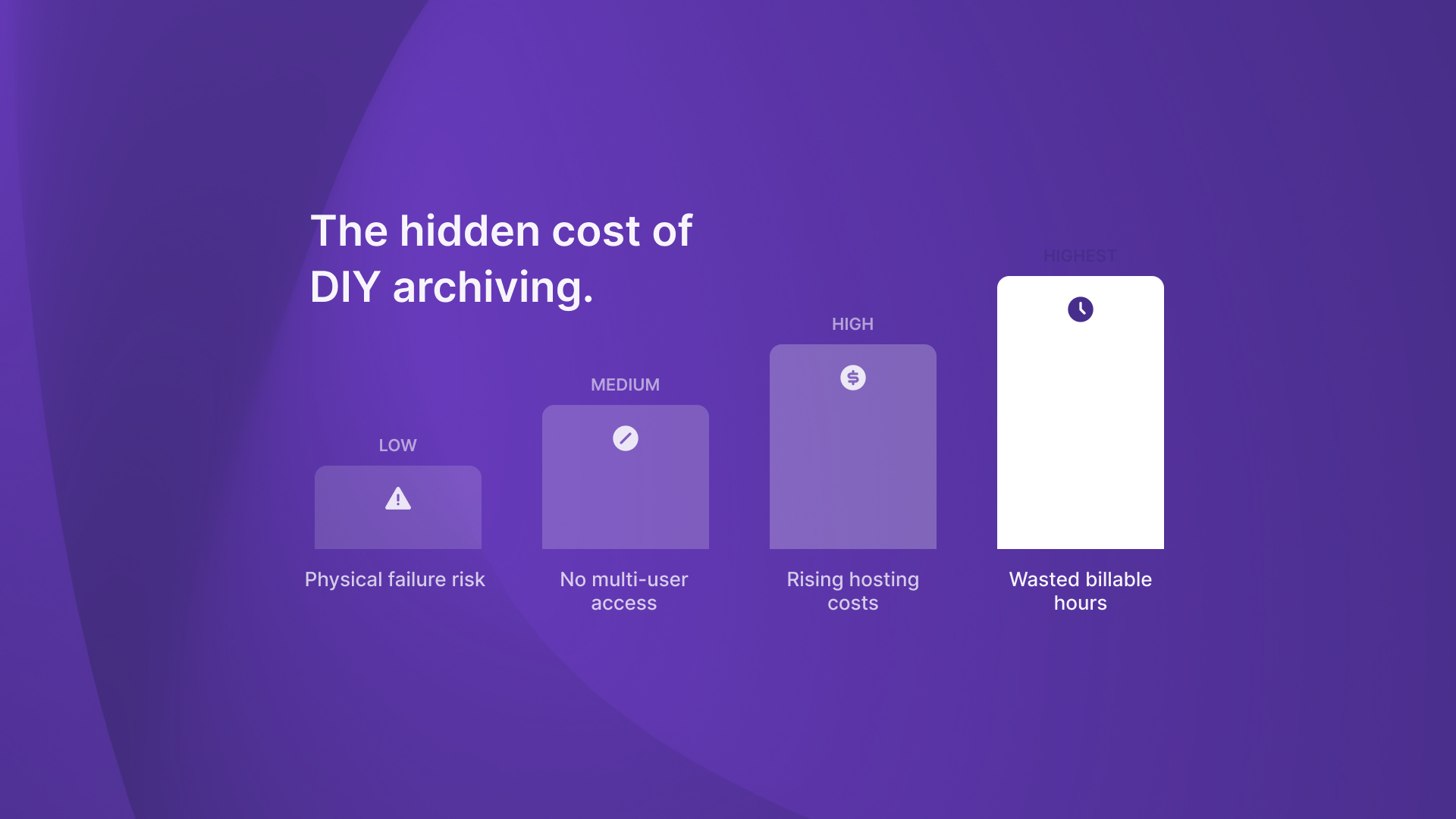
Many professionals try to save money with DIY storage kits or basic cloud folders. I have found this approach usually results in a higher total cost of ownership. The math breaks down like this:
- DIY kits suffer from high failure rates and physical degradation over time.
- Manual folder structures lack the multi-user access needed for scaling teams.
- Hosting costs for unoptimized archives eat into agency profit margins.
- Searching through disorganized local drives wastes billable hours better spent on real-time profitability monitoring.
If you plan to scale from a solo freelancer to a small agency, multi-user access is non-negotiable. Digital archival solutions allow you to grant secure access to contractors or auditors without compromising your entire system. This visibility provides the real-time business insights you need to stop profit leaks. Relying on an 80% accuracy threshold in AI tracking is often insufficient, as the resulting manual corrections can consume more billable hours than the automation saved.
A framework for calculating archival cost-efficiency
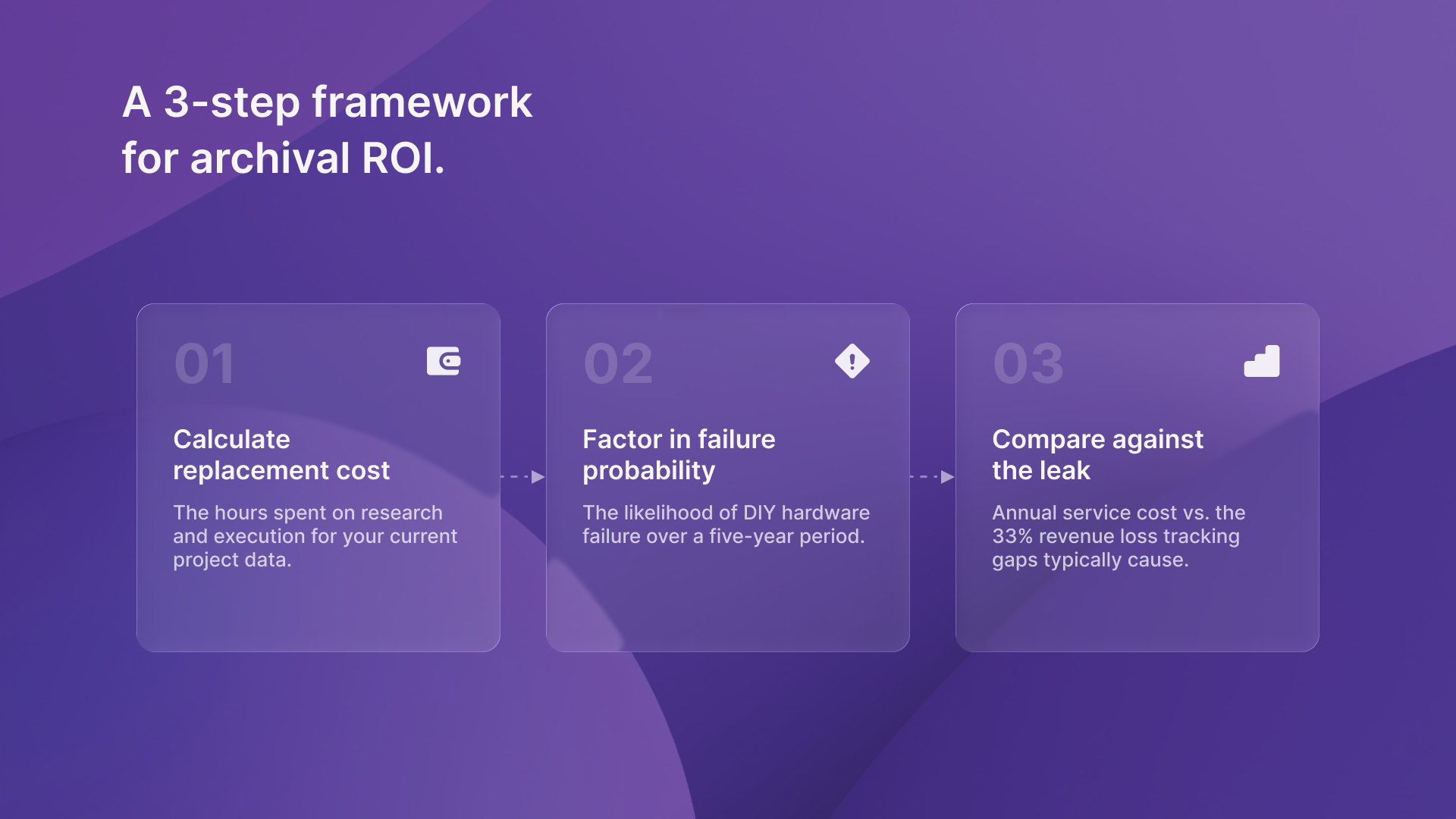
To protect your margins for 2026, you need to calculate the actual value of your archive. Use this three-step framework to determine your digital service ROI:
- Calculate the replacement cost of your current project data, including hours spent on research and execution.
- Factor in the probability of DIY hardware failure over a five-year period.
- Compare the annual cost of a professional service against the 33% revenue loss typically caused by tracking gaps and non-billable hours
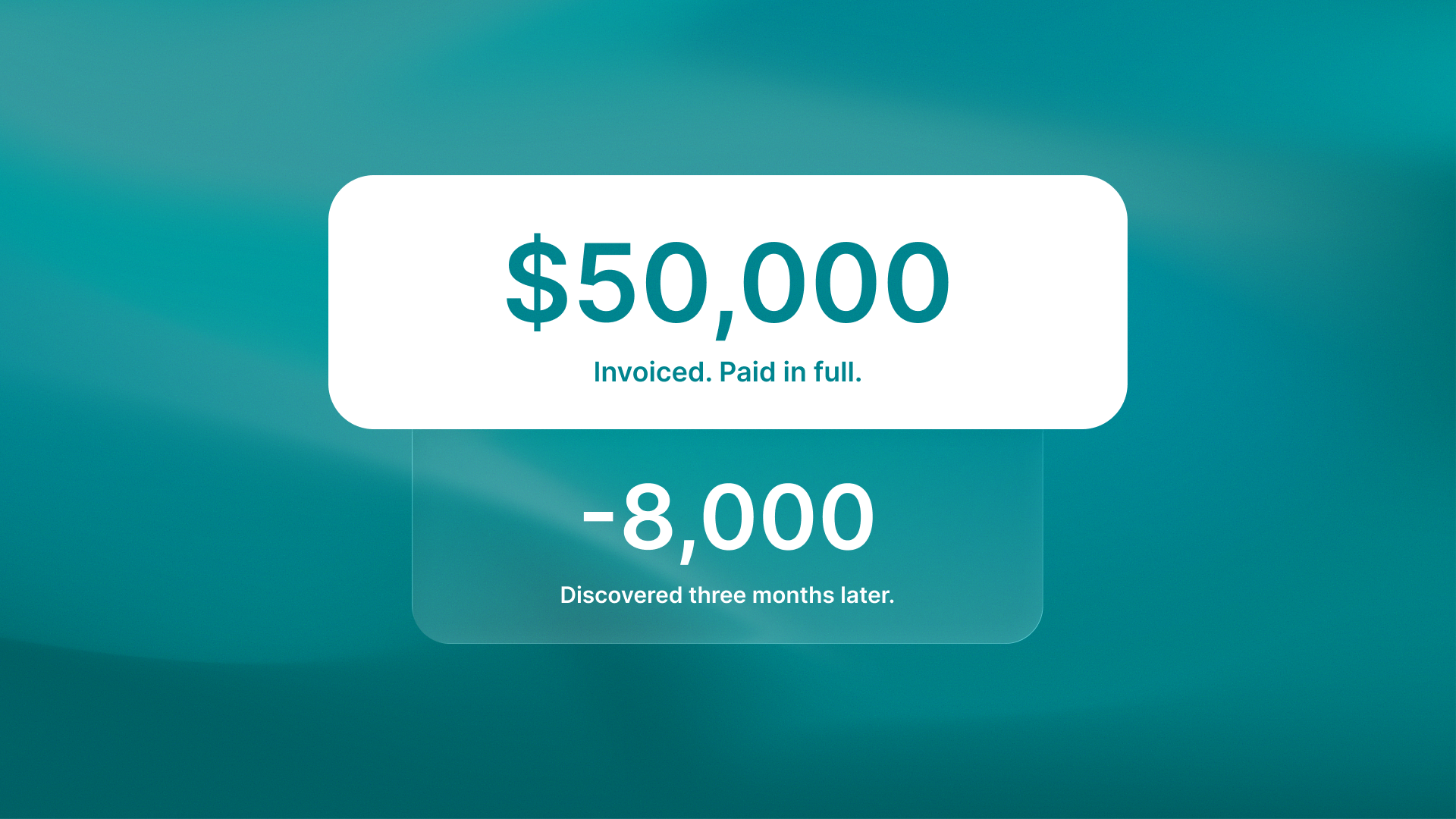
Effective protection requires moving beyond post-project profitability autopsies that only identify failures after they occur. Instead, firms must adopt real-time project profitability calculations to allow for immediate course correction. Waiting until a project is closed to evaluate margins is often too late to save your profitability, as the opportunity to adjust resource allocation has already passed.
Benchmarking for 2026: What to do next
Audit your 2025 project folders and identify high-value intellectual property. Export your billable hour data to a secure, long-term digital vault. Set up a professional archival account to begin organizing your historical benchmarks. You can even start with a Timecapsule free account to test the workflow. The question is whether you can afford to lose the historical margins that dictate your 2026 success. Use Timecapsule to secure your project legacy today.
Review our scalable pricing structures to determine which efficiency-driven plan aligns with your organizational requirements.