.svg)
The compliance advantage: why time entry locking is essential for accurate billing

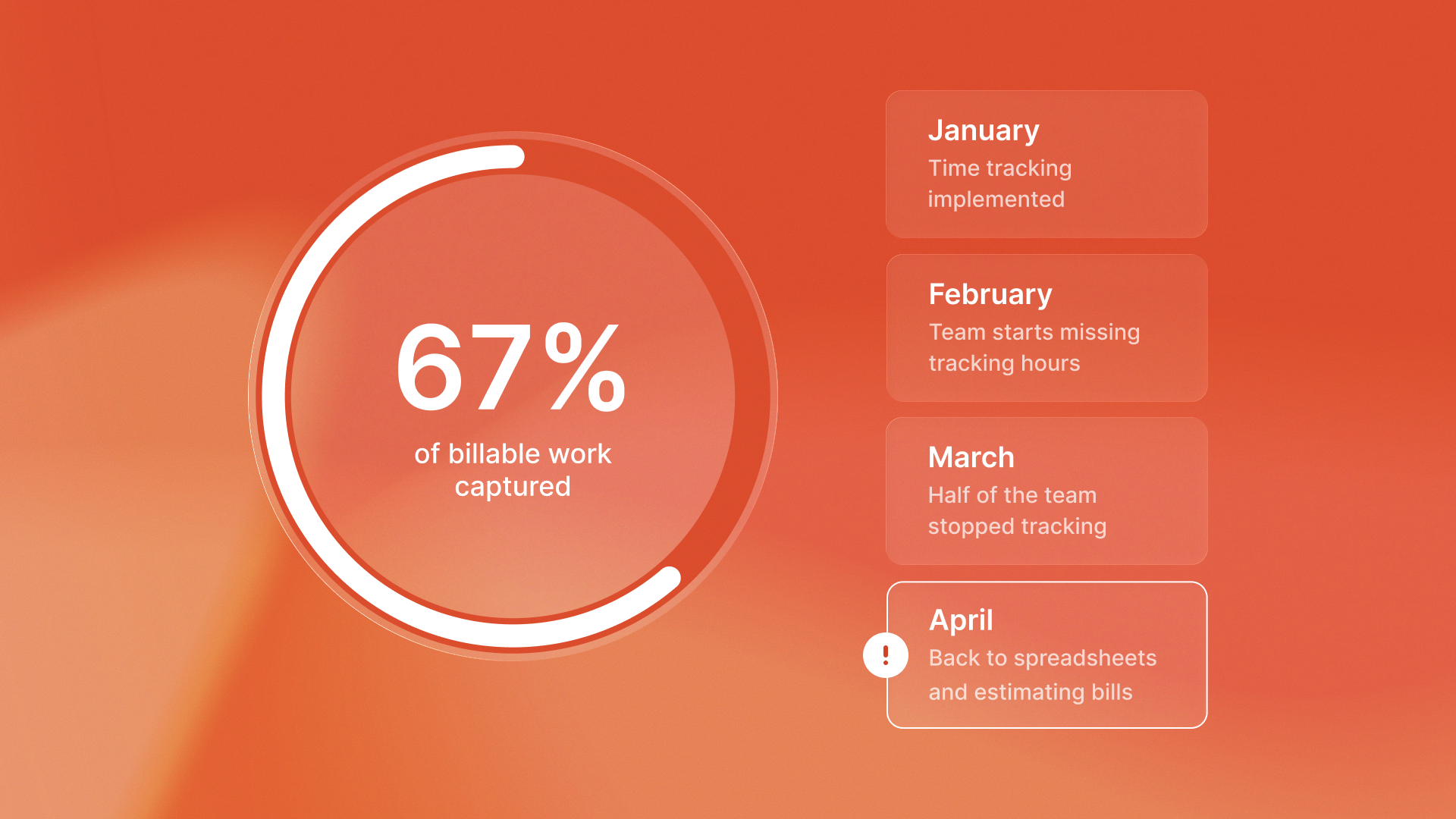
Your team logged 420 hours last month, but your invoice only reflects 380. Somewhere between the approval and the send button, your profit evaporated. This is the leaky bucket of agency billing. Implementing time entry locking ensures that once these hours are submitted, they stay fixed, preventing the late-stage adjustments that drain your revenue.
Post-approval edits destroy margins and erode client trust. For small business operators managing billable hours across multiple projects, staff manipulation of past time logs is a primary risk factor. Without strict controls, your reported hours are just suggestions, not financial records.
The high cost of agency margin erosion
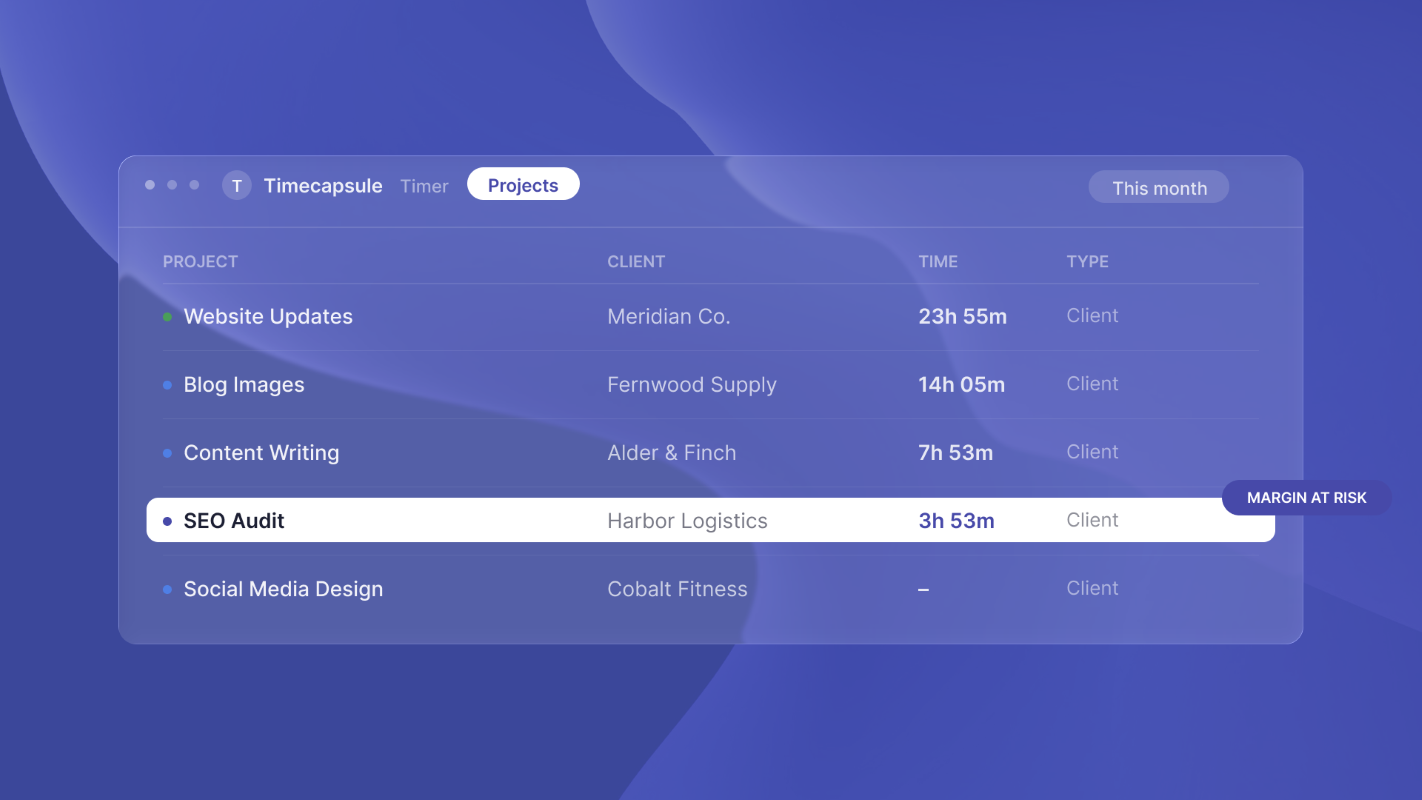
Margin erosion often happens in the shadows of your project management tool. When a developer realizes they forgot to log time for a task three weeks ago, they go back and add it. Or, worse, a project manager reduces hours on a completed task to make the project look more efficient. This specific type of agency margin erosion is a silent tax on your profitability.
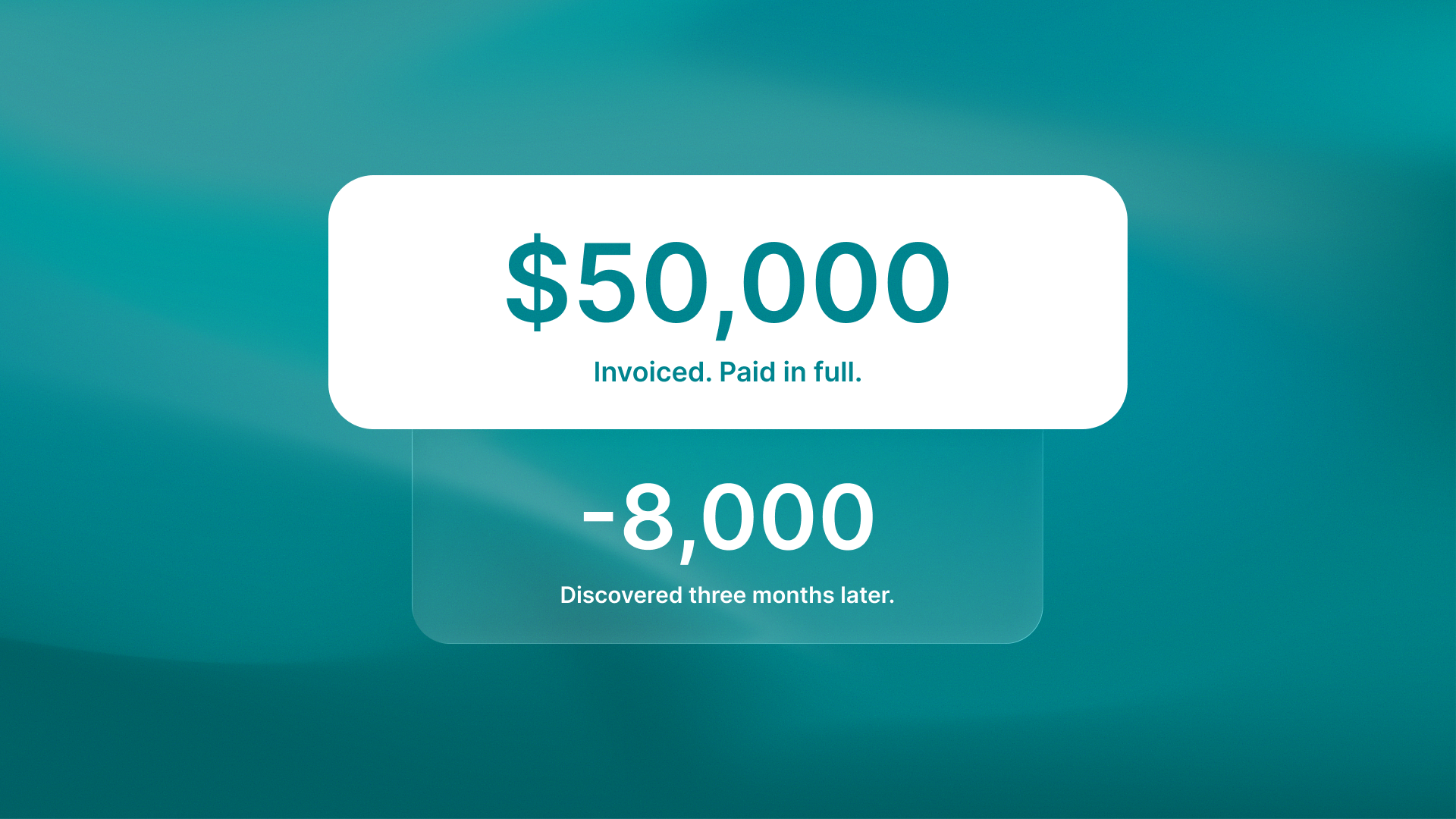
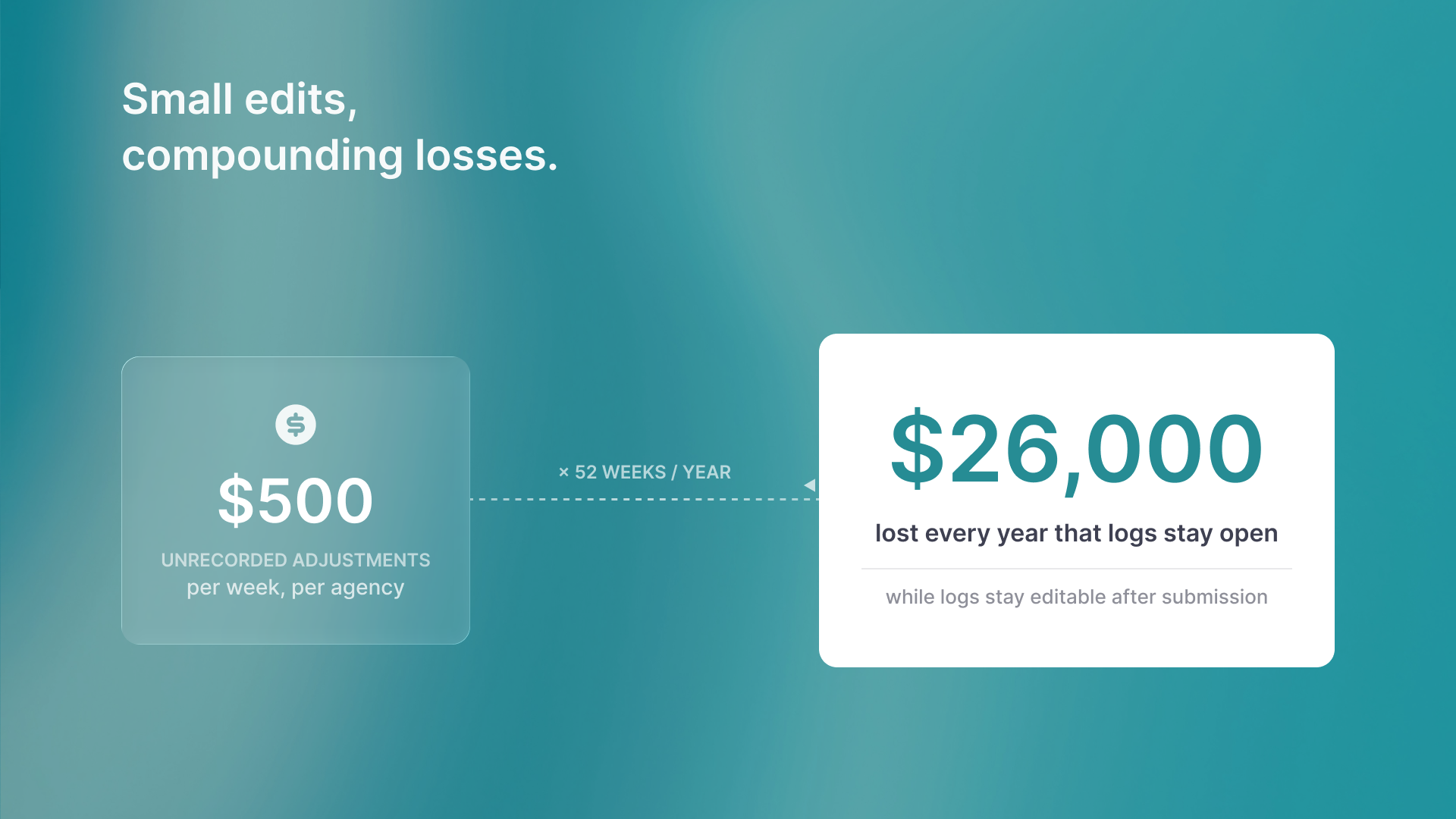
The math works like this: if your team makes just $500 in unrecorded adjustments per week, you are losing $26,000 in annual revenue that never hits the invoice.
Why post-approval changes happen
Most changes occur because of poor tracking habits or fear of client pushback on overages. Staff may try to "fix" their utilization rates by moving hours between projects after the week has closed.
While this seems like harmless administrative cleanup, it invalidates your data. When logs remain open, employees treat time tracking as a creative writing exercise, a primary reason why agency time tracking fails. It stops being a factual record of resource availability.
The mathematical impact on AGI
Every unbilled hour directly reduces your Adjusted Gross Income (AGI). In a lean agency, those missing hours represent your highest-margin work. When you allow retrospective changes, you lose the ability to perform accurate real-time profitability monitoring.
You cannot manage what you cannot measure. Also, you cannot measure what is constantly shifting. Waiting until the end of the month to catch these shifts is dangerous, as late-stage profitability analysis cannot save margins that have already evaporated.
Implementing time entry locking for financial control
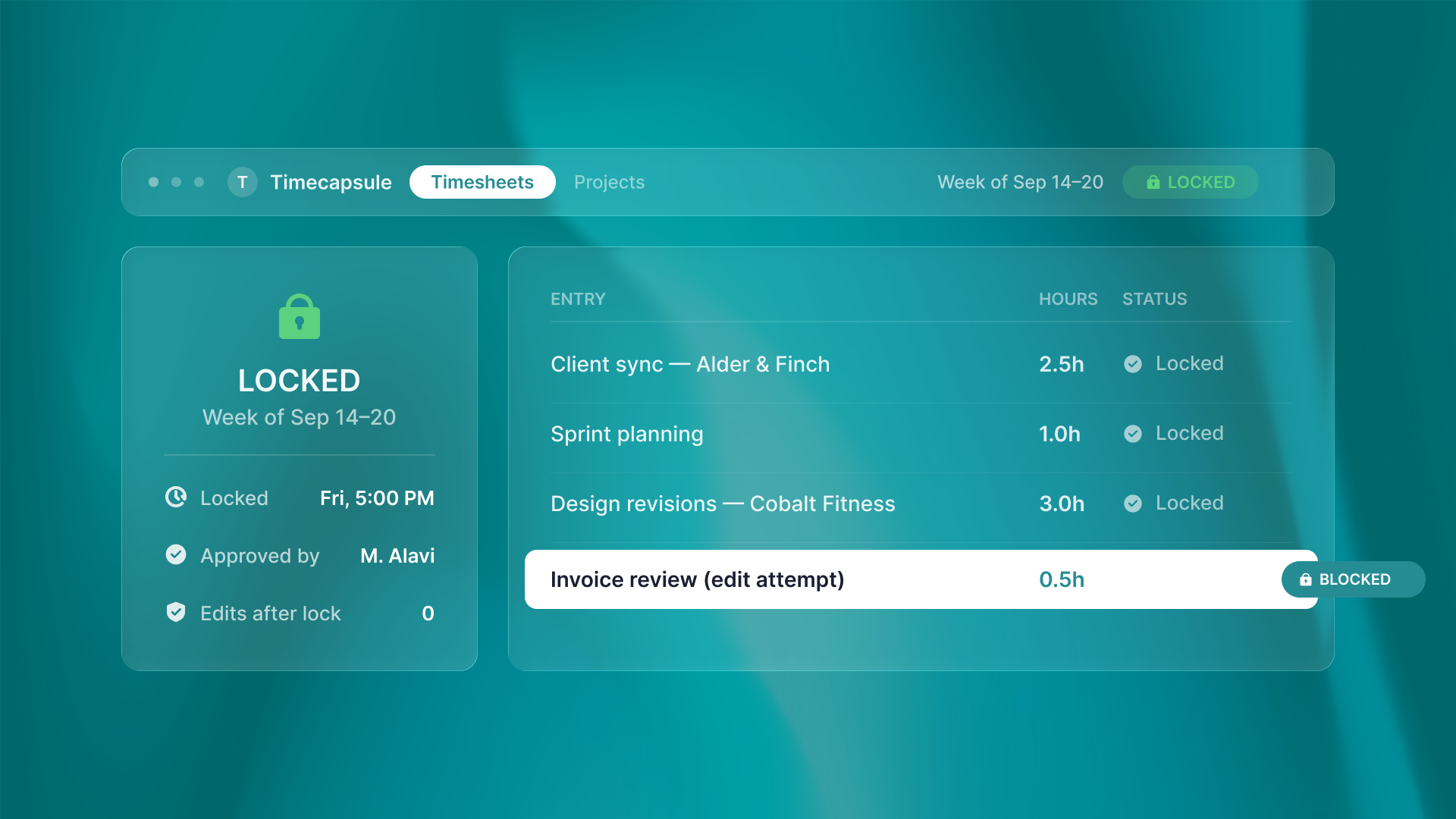
The compliance advantage is the inability to manipulate past time logs. This creates a verifiable audit trail for clients. Freezing timesheets is the primary way to enhance financial control and prevent unauthorized changes.
This is not about restricting your team. It is about protecting the agency bottom line and identifying margin leaks before they become permanent losses. To streamline this process, many firms utilize retainer billing software that automates the transition from logged time to client invoices.
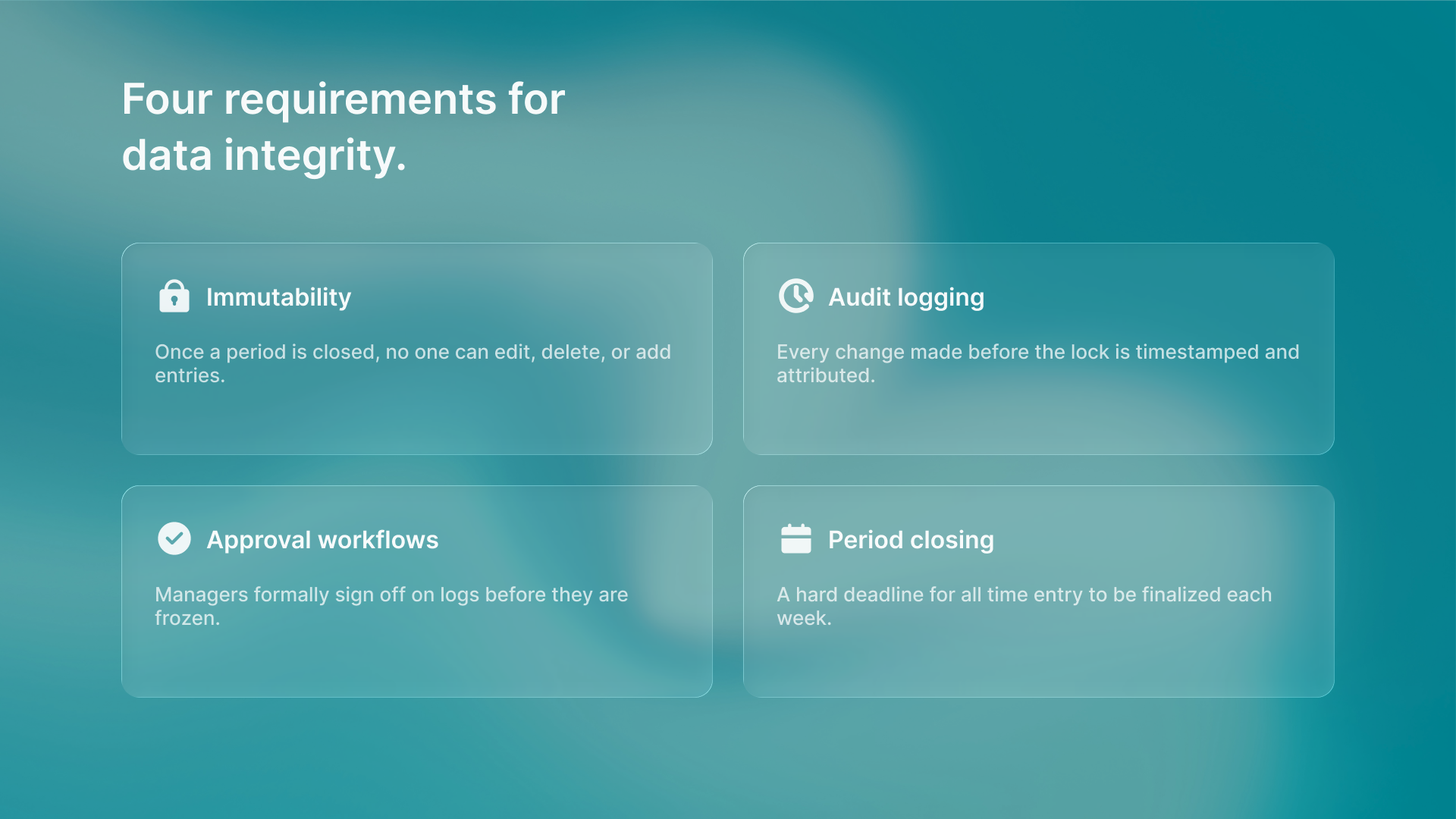
Requirements for data integrity
- Immutability: Once a period is closed, no user can edit, delete, or add entries.
- Audit logging: Every change made before the lock is timestamped and attributed to a user.
- Approval workflows: Managers must formally sign off on logs before they are frozen.
- Period closing: A hard deadline for all time entry to be finalized each week
Audit-ready records and time tracking compliance
Locked time entries are essential for maintaining accurate, audit-ready records. If a client disputes an invoice three months from now, a locked log serves as a defensible document. It proves that the hours were recorded and approved in real-time. Establishing strict time tracking compliance protocols ensures that your internal data stands up to external scrutiny.
They were not manufactured after the fact to meet a budget. Relying on manual spreadsheets for high-value contracts is a risk that most professional firms can no longer afford.
Legally defensible invoicing
Transparency is the best defense against invoice disputes. When you present a client with data that is locked and audited, you change the conversation. It shifts from "is this accurate?" to "what did we achieve?".
This builds the kind of institutional trust that allows for higher rates and longer retainers. Furthermore, ensuring that billing and revenue recognition are based on immutable data is critical for SaaS and service-based business health.
How time entry locking stops margin erosion
Implementing time entry locking forces a shift from reactive tracking to proactive project intelligence. When your team knows the logs will lock on Friday at 5:00 PM, the quality of data entry improves immediately. You stop chasing developers for missing hours on Tuesday morning, and your billing cycle accelerates.
We utilize automated time logging to ensure that the data entering the system is accurate from the start. By removing the ability to edit the past, you force your team to focus on the present. The result: a 100% accurate billing cycle where every minute worked is a minute accounted for.
While some focus on AI-driven time savings, the immediate win for most agencies is simply capturing the hours they are already working.
3 steps to implement a locking workflow
- Set a firm weekly deadline for all time logs to be submitted and approved by Monday at noon.
- Enable time entry locking within your profitability-focused tracking software to freeze all records for the previous week.
- Establish a formal override process that requires senior management approval for any historical changes, ensuring full accountability.
Data integrity via entry locking is the only way to guarantee 100% billing accuracy. Agencies that leave their logs open will always struggle with leaks. Those that lock their entries win by protecting their data and their profits.
Review our scalable pricing structures to determine which efficiency-driven plan aligns with your organizational requirements at Timecapsule.