Time Entry Locking: Preventing Retroactive Margin Erosion

TL;DR
- Time entry locking prevents margin erosion by stopping employees from retroactively editing or guessing their billable hours.
- A one-week delay in logging time can cause agencies to lose 20 percent of their billable hours.
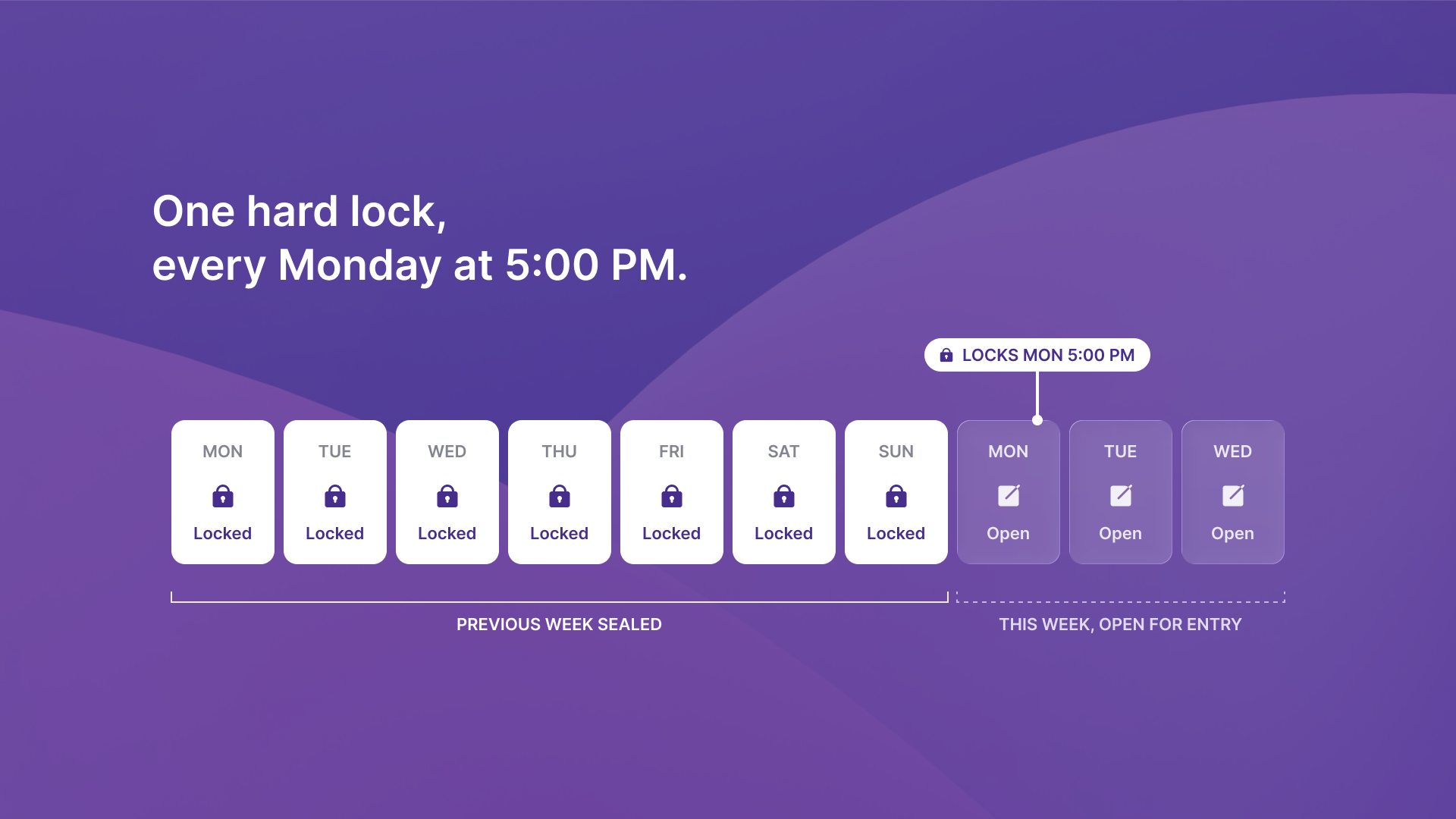
- Managers should enforce a hard lock every Monday at 5:00 PM for all work performed during the previous week.
- Automated software settings prevent the administrative friction and manual errors that typically reduce margins by 5 percent.
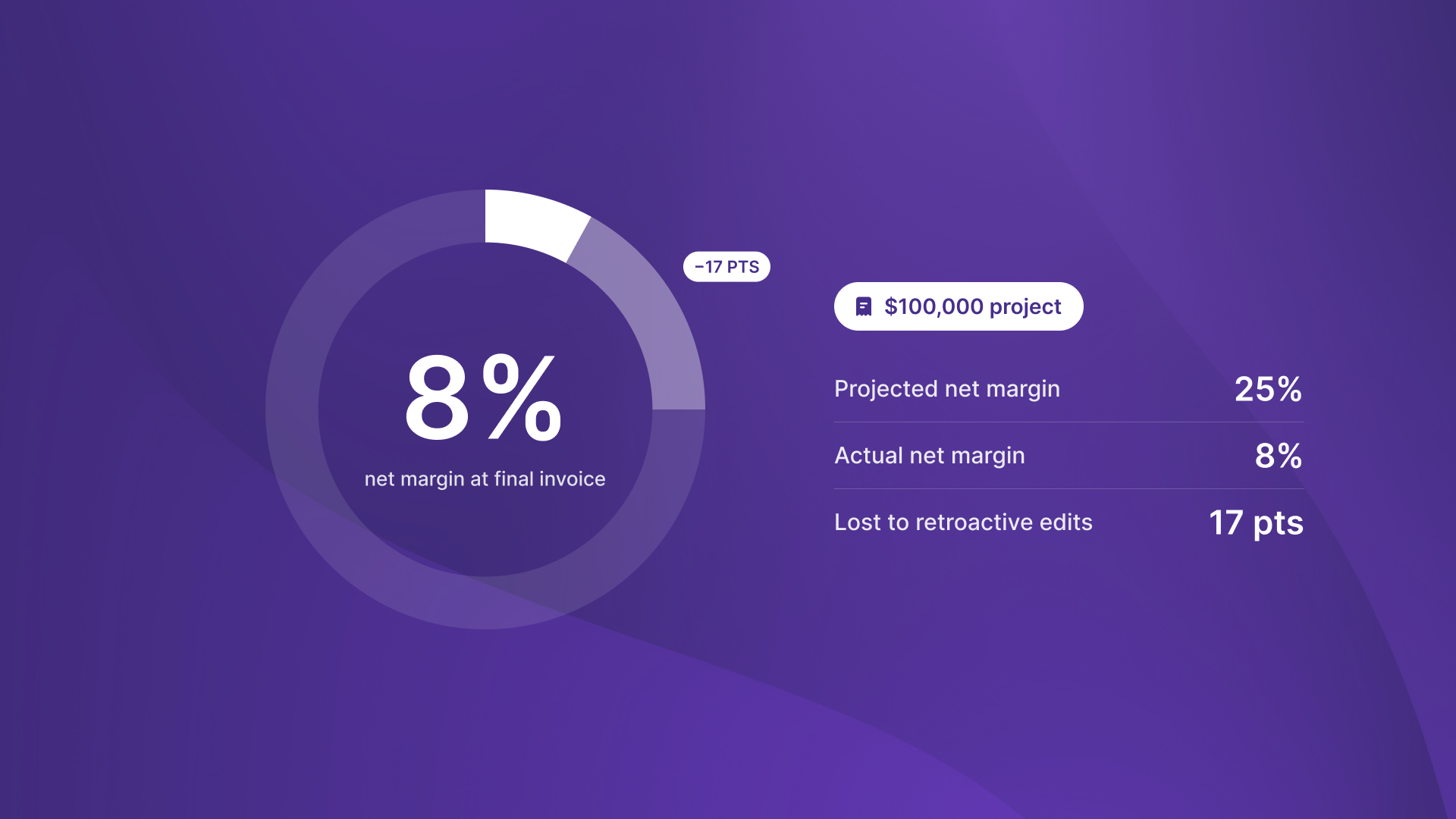
Picture a $100,000 project scoped at a 25% margin. By the final invoice, the margin is in single digits, and nobody can say exactly where it went. Often the work isn’t the problem. The timesheets are: hours logged days later, from memory, then trimmed to fit the budget. Call it the reconciliation tax, the time and margin you lose when your team rebuilds last week from guesses. Time entry locking is how you stop paying it.
The math of margin erosion and time entry locking
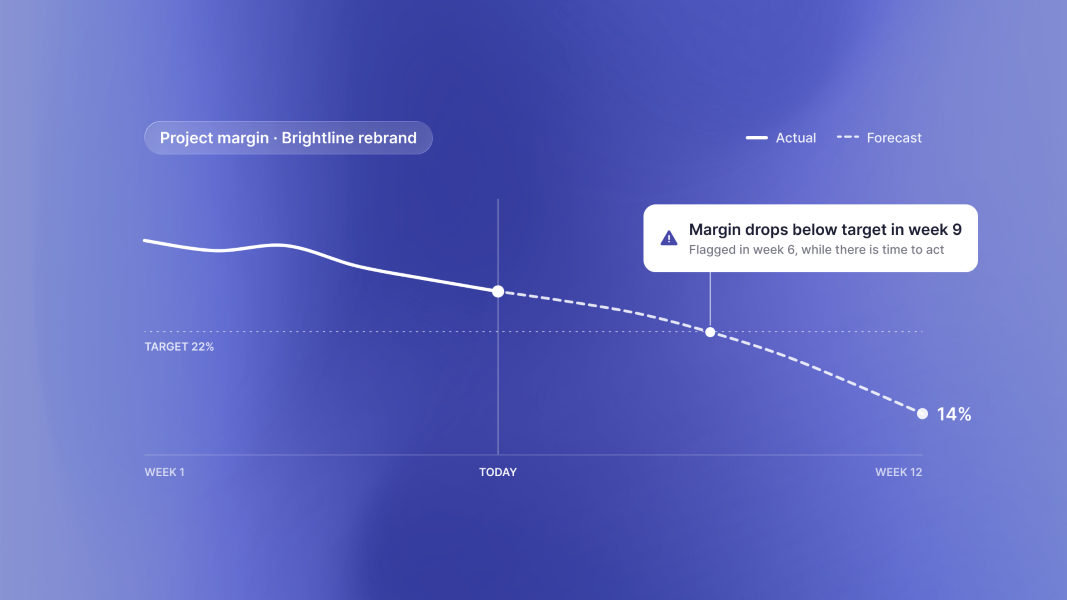
If your team logs hours days or weeks after the work is performed, you are losing money to the forgetting curve.Law firm research cited by the ABA shows that a one-week delay in time entry can cost up to 20% of billable time, and more than 50% once entries slip past a week. Agencies see a similar pattern: Hubstaff’s agency report found teams lose 21–22% of billable hours when they rely on manual or late timesheets. This creates a domino effect. Inaccurate logs lead to false utilization data. This causes resource allocation issues and structural margin erosion, as billable hour tracking alone cannot prevent profit loss.

The blindspot
Why reactive tracking is failing is that employees often under-report hours to avoid looking slow. They also guess hours entirely when memories fade. Without time entry locking, your financial data is a collection of best guesses rather than a record of truth. This lag makes it impossible to monitor overhead or individual client profitability in real time.
Revenue leaks typically stem from these three triggers:
- Retroactive under-reporting: Team members omit tasks like revisions or brainstorms to stay within perceived time budgets, which directly hurts agency profit margins.
- Administrative friction: Back-office teams spend hours reconstructing weeks-old data to resolve client disputes, the clearest example of the reconciliation tax.
- Manual handoff errors: Misapplied pay rules or missed overtime at entry can impact margins by up to 5%.
Implementing the Monday 5:00 PM lock strategy
Establishing a strict weekly lock date ensures logs are fresh and represent actual time spent. Moving to this model requires clear communication. You must frame immutable time entry locking as a tool for project health rather than surveillance.
Enforcement steps
- Set the hard deadline: Enforce a lock every Monday at 5:00 PM for the previous week to secure billings while details are fresh. The lock is the backstop, not the habit. Ask the team to log time daily; the Monday lock simply closes the week so nothing gets edited after the fact.
- Communicate the 'Why': Frame the shift as 'Good Communication' that helps stop revenue losses. These losses can reach $120,000 annually for some firms. It also creates better project estimates and avoids the patterns where time tracking fails.
- Automate the enforcement: Use administrative settings in Timecapsule to prevent edits after the deadline, removing the need for manual nagging.
- Review cycles: Use weekly and monthly reviews to show the team how their data helps adjust budget burn rates and service offerings.
Automated time logging vs. manual reconciliation
Small businesses must move away from manual systems to protect their professional services margin tracking. The following table illustrates the impact of automation on agency governance.
Administrative control comparison
What to do next: securing your billables
- Audit your current leakage: Compare actual hours worked against what is currently being captured to identify the 20% gap. Many firms find that manual retainer billing creates a visibility gap that contributes to this leakage.
- Configure your locking settings: Enable hard deadlines in your time tracking software to prevent retroactive edits. Adopting efficient time tracking for small business operations begins with these automated guardrails.
- Update your employee handbook: Formally document the transition from flexible timesheets to a locked financial system of record.
- Link time to profitability: Integrate your logs with financial tools to see the cost impact of every hour in real time, allowing you to align hiring with sales pipelines.
Integrity in your data is not optional if you intend to scale. The old way is a financial autopsy;the profitable way is an immutable forecast.
Review our scalable pricing structures to determine which efficiency-driven plan aligns with your organizational requirements.